
AI-native software is easy to describe badly. A product adds a prompt box, sends text to a model, returns a response, and calls the feature complete.
That can be useful, but it is rarely enough to change the product.
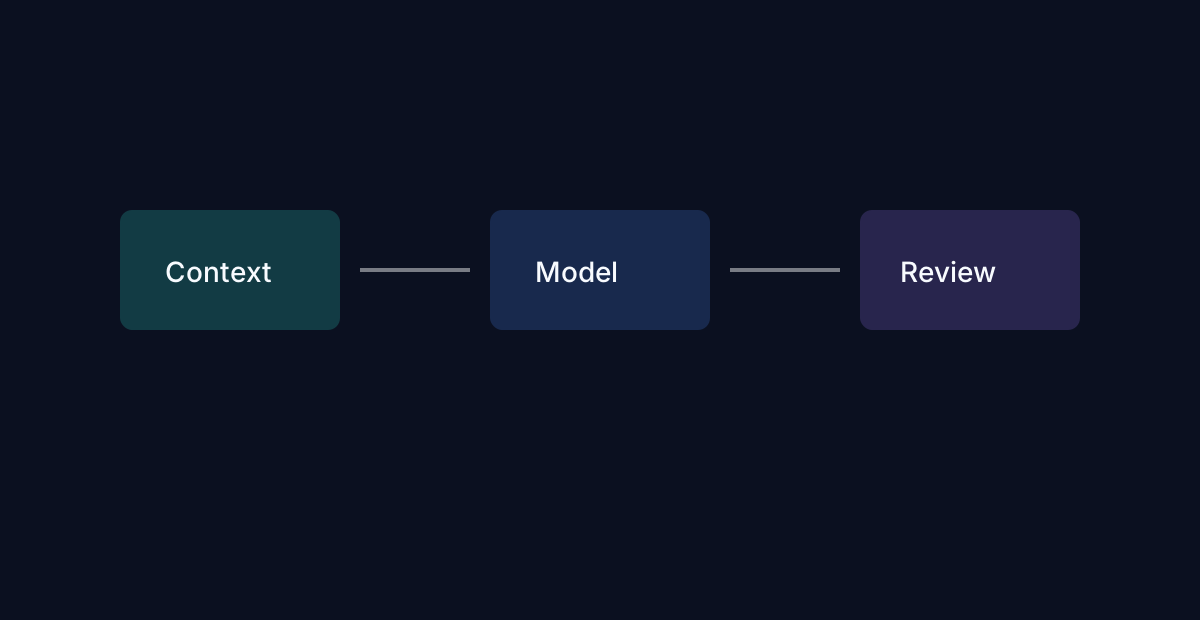
The workflow changes
The strongest AI features usually change what users prepare before an action and what they review after it. They collect better context, make the model’s assumptions visible, and give the user a faster way to correct direction.
AI-native products should make human judgment easier to apply, not harder to locate.
For example, a writing tool should not only produce text. It should preserve the source intent, show alternatives, remember constraints, and make revision cheaper.
The product owns the context
Many AI prototypes push context management onto users. Mature products do more of that work themselves:
- remember the user’s goal;
- structure messy inputs;
- expose sources and assumptions;
- make output reusable in the next step.
type AiNativeLoop = {
  capture: 'context';
  generate: 'candidate';
  review: 'human decision';
  reuse: 'workflow output';
};
The design challenge is not to make the model look impressive. It is to make the user more capable with less friction.